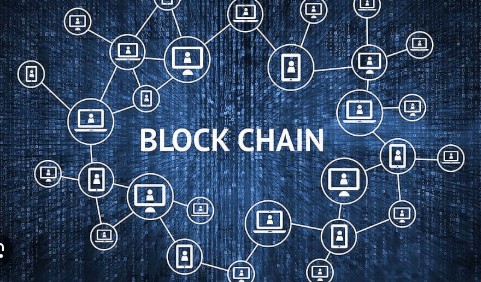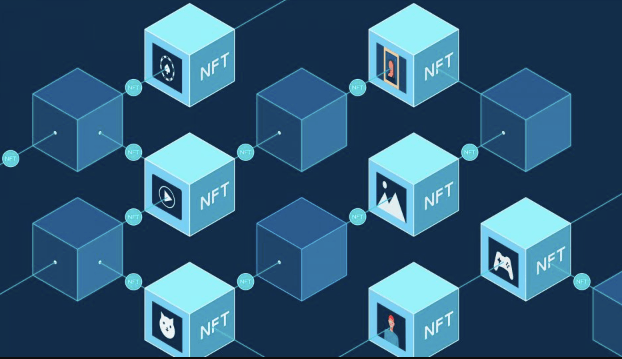

Blockchain presents a distributed ledger where transactions are recorded across many nodes. Each block carries data, a timestamp, and a link to the previous block, protected by cryptographic hashes. Consensus mechanisms coordinate validation to prevent tampering. Smart contracts automate rules, while tokens enable value transfer and governance structures steer upgrades. The result is transparent, decentralized coordination without a central authority, yet the practical implications and limits invite careful scrutiny and ongoing consideration.
What Is Blockchain in Plain Terms
Blockchain is a distributed ledger technology that records transactions across many computers in a way that prevents alteration of past records. It defines a system where consensus mechanics and cryptographic hashing secure block validation, while peer to peer networks sustain network decentralization.
Distributed ledgers enable smart contracts, token economics, transaction fees, block rewards, and transparent tokenized value within scalable, precise block structures.
How Blocks, Chains, and Cryptography Fit Together
Blocks, chains, and cryptography interlock to form a secure, verifiable record of transactions. The block contains data, a timestamp, and a reference to the prior block, while cryptographic hashing ensures a unique fingerprint.
Block validation confirms integrity before acceptance. The chain’s immutability arises from linked hashes, making tampering detectable and preserving trust without centralized control.
How Consensus Keeps the Network Honest
Consensus mechanisms coordinate agreement among distributed participants, ensuring that only valid, agreed-upon transactions are appended to the ledger. They operate under explicit rules and verification steps, preventing double-spending and conflicting updates. By selecting valid blocks through transparent criteria, the network maintains integrity, discouraging manipulation. This disciplined process preserves network honesty, enabling participants to trust decentralized operations and pursue freedom with confidence.
Where Tokens, Incentives, and Smart Contracts Come Into Play
Tokens, incentives, and smart contracts introduce mechanisms that align individual actions with network objectives. In practice, token economics defines value flows, rewards, and penalties to sustain participation and fairness. Smart contracts codify rules, enabling automatic enforcement and transparency, while governance mechanisms allow stakeholders to vote on upgrades. This framework supports decentralized decision-making, resilience, and freedom through verifiable, efficient coordination.
See also: AI in Financial Services
Frequently Asked Questions
How Secure Is Blockchain Against Quantum Computing Attacks?
Blockchain quantum threats exist but are mitigated by evolving post quantum security; current resilience depends on cryptographic upgrades. The framework aims to withstand quantum attacks through standardized algorithms, risk models, and proactive adoption for long-term security.
Can Blockchain Scale to Billions of Users Without Central Servers?
Upwards, sideways, onward—the network attempts to scale toward billions, yet scaling bottlenecks and data availability remain persistent; without centralized servers, blockchain can grow, but practical limits demand innovations in protocol efficiency, sharding, and off-chain data handling.
What Are the Real-World Costs of Running Nodes?
Node energy costs vary by network and hardware, but significant power use is common for proof-of-work; validator hardware requirements demand robust GPUs/TPUs or ASICs, cooling, and stable power—economically impactful for operators seeking freedom from centralized services.
How Do Forks Impact User Experience and Trust?
Only a certain “before you blink” failsafe exists: forks can fragment user trust and shake app stability. Fork dynamics shape updates and compatibility, demanding robust guidance, transparency, and practical continuity to preserve user trust and freedom in networks.
What Legal Frameworks Govern Blockchain Applications?
Legal frameworks governing blockchain applications vary by jurisdiction, emphasizing compliance and due diligence. The landscape features substantial regulatory uncertainty, demanding rigorous governance, transparent reporting, and proactive risk assessment to support freedom-minded innovation within evolving legal boundaries.
Conclusion
In sum, blockchain promises order with a flourish of math and memes. Chains of blocks pretend permanence, while consensus committees pretend omniscience. Tokens wink at incentives, smart contracts whisper self-enforcement, and decentralization stands as the noble umbrella over a rainy day of forks and audits. The practical takeaway: trust is redistributed, not abolished, and every transaction arrives wearing a cryptographic suit, ready to be notarized by consensus—or at least by a highly motivated miner with a keyboard.